2026-09-02
Do I Need a Website If I Sell on Made-in-China?
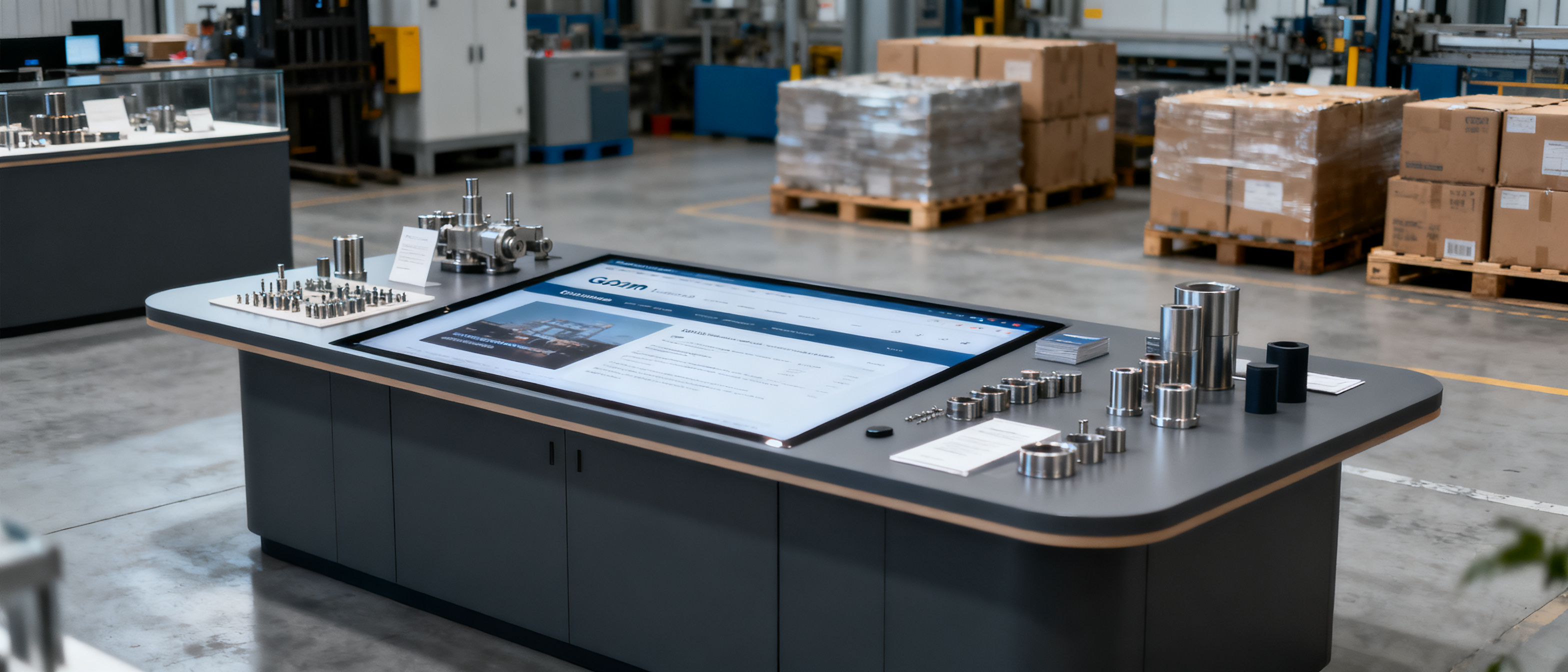
Do I need a website if I sell on Made-in-China? The short answer: no, you don’t need one to receive leads, but you’ll lose serious buyers if you rely on a platform page alone. Made-in-China delivers millions of buyer visits each month, especially for OEM machinery, industrial parts, and hardware. However, a marketplace listing is only the first handshake. Once a buyer wants to verify your company, share your details with a decision-maker, or compare you to another supplier, a clean, own-domain frontage makes the difference between a quick inquiry and a “let me check later” that never comes back.
Why Made-in-China is a strong discovery channel for OEM suppliers
Made-in-China has been a top-tier B2B platform for over two decades. It’s where international buyers go to find Chinese manufacturers, especially for categories like packaging machinery, construction equipment, and electronic components. The platform handles the heavy lifting of discovery:
- Built-in buyer traffic: Over 10 million registered buyers and a domain authority that consistently ranks for “China supplier” queries.
- RFQ matching: Buyers submit detailed requests, and the system routes them to relevant suppliers, saving cold outreach effort.
- Supplier verification: On-site audit reports and membership badges give a baseline of legitimacy.
- Mobile-ready trade tools: Buyers can browse, message, and even negotiate directly inside the app.
For an export factory without a marketing team, a Made-in-China storefront can generate a steady stream of inquiries. But that’s where the platform’s job ends. The next step—building enough trust for a buyer to send a deposit or fly out for a factory audit—belongs to you.
What an own-domain frontage does that a platform page can't
So, do you need a website if you sell on Made-in-China? Here’s what an own-domain frontage can do that a platform page simply cannot:
| Factor | Made-in-China platform page | Own-domain B2B frontage |
|---|---|---|
| Trust signal | One of thousands of similar listings; generic URL | A dedicated company domain signals permanence and investment |
| Competitor distractions | Sidebar ads, related products, and “similar suppliers” pull attention away | No competitor ads—your story, your products, your call to action |
| Link sharing | Long, parameter-heavy URLs that look messy in an email | Clean, memorable link you can forward, print on a card, or paste into a WhatsApp message |
| Customization | Limited to the platform’s template and fields | Full control over layout, brand colors, company story, and certifications |
| SEO longevity | Your listing disappears if you pause your membership | Your domain continues to build authority and can rank for your company name |
| Buyer verification | Buyer must trust the platform’s badge | You can add trust elements: About page, team photos, factory video, ISO certificates |
None of this means you should abandon Made-in-China. It means that a B2B frontage works like a digital business card you hand over after the platform introduction—a place where the buyer can confirm you’re a real company, not just a product listing.
The trust gap buyers face after a marketplace link
If you’re still wondering “do I need a website if I sell on Made-in-China,” consider the trust gap. A professional buyer receives a Made-in-China link. They click it. They see your product, but also a dozen other suppliers, platform ads, and a cookie-cutter layout. The first question in their head is rarely “This product looks great”—it’s “Is this company reliable enough to send a 30% deposit?”
According to Google’s guidance on creating helpful, people-first content, a clear About page, contact information, and genuine expertise signals help a site earn trust. Marketplace listings often lack that depth. An own-domain frontage lets you answer questions like “Who owns the factory?” “Where are they located?” “Can I see their certifications?” before the buyer ever types a message.
This trust gap is especially wide for orders over $5,000. Buyers want to forward a link to their boss or the procurement team, and a clean company domain looks far more professional than a marketplace URL. A single forwarded link can be the difference between a quick “approved” and a request for three more references you don’t have.
How to complement your Made-in-China presence with a simple English frontage
You don’t need a 20-page website with a blog and a chatbot. What OEM suppliers need is a thin, managed English frontage that stays accurate without a website team. The goal: maintain your company facts once, then reuse them as a site, a digital card, and a shareable brochure.
Here’s what a lightweight B2B frontage should include:
- Your own domain name (e.g., yourfactory.com) so the link is yours forever.
- A clean homepage with your company name, a short blurb about what you manufacture, and a professional product photo.
- An About page that tells the buyer who you are, how long you’ve been in business, and what markets you serve.
- Key products or capabilities (not your entire catalog—just the top 5–10 items that attract the right buyers).
- Certifications, equipment, and contact details so buyers can verify you without asking.
- No maintenance burden—you shouldn’t need to log in to update plugins or fix broken pages.
A managed frontage like B2B Frontage keeps your company facts current without a website team, giving you a $59/yr forwardable English presence. Instead of rebuilding a site every year, you update your company details once, and the platform regenerates your online showcase, digital card, and downloadable brochure. For a factory already busy with production and shipping, that’s the difference between having an up-to-date presence and letting a homepage show “© 2019” for five years.
You can still link your Made-in-China store to your own domain, and add the domain to your email signature, business cards, and WhatsApp profile. That way, every new contact gets a clean, buyer-friendly page that doesn’t scream “marketplace” and doesn’t distract them with competitor ads.
FAQ
Can I get enough inquiries from Made-in-China without a website?
Yes, many small factories receive inquiries solely through Made-in-China. But if you’re pursuing larger orders or repeat buyers, a website often becomes a requirement. Buyers use it to cross-check your legitimacy, and a missing website can raise doubts, especially for orders above $10,000.
Does a website help with my Made-in-China listing ranking?
Not directly. Made-in-China’s internal search and matching algorithm does not factor in your external website. However, a strong web presence can improve your overall brand credibility, which may lead to higher inquiry conversion rates, indirectly boosting your platform performance.
What if I already have an Alibaba store—do I still need a website?
Alibaba and Made-in-China serve the same discovery function. A website complements both. It gives you a single, permanent home that you control, regardless of which marketplace you’re active on. If you pause your Alibaba membership, your website remains live, and your domain continues to build trust.
How much does a simple manufacturer website cost?
A basic WordPress site with a custom domain can cost $100–$500 upfront, plus $12–$15/month for hosting and ongoing maintenance if you manage it yourself. A managed frontage service like B2B Frontage costs $59/year and includes hosting, updates, and a digital card—no maintenance required. The trade-off is design flexibility: a managed frontage is intentionally thin, while a custom site can grow into a full CMS.
Do I need a separate website for each product line?
No. A single company frontage can showcase multiple product categories. Use a simple structure: one page with an overview of your capabilities, and dedicated sections for each major product line. If you serve vastly different industries, you might create a second frontage, but one domain is usually enough to start.
References & Further Reading
- B2B Frontage Blog – articles on manufacturer web presence
- Google Search Central – Creating helpful, reliable, people-first content
- web.dev – Why does speed matter? (fast site = fewer bounces on buyer links)