2026-07-24
What Overseas Buyers Scan in the First 10 Seconds on a PCBA Factory Site
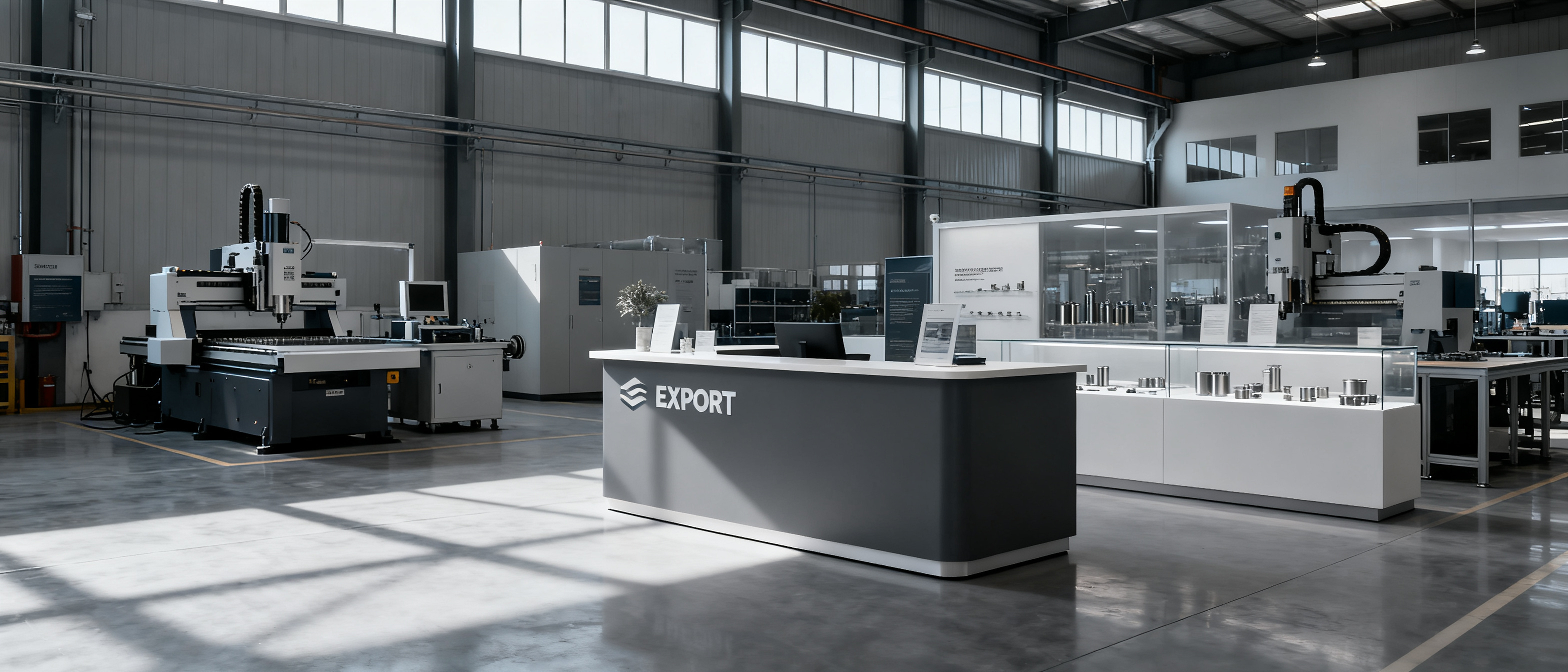
The Ten-Second Scan Is Ruthless on a PCBA Site
An overseas buyer lands on a PCBA factory site and makes a stay-or-leave judgment in under ten seconds. They are not reading paragraphs. They are not clicking through five pages to find an SMT line photo. They are scanning for three things simultaneously: does this factory look real, can I reach someone fast, and is the site maintained. A thin English showcase built for export buyers must answer those three questions before the scroll. If the hero image is a stock photo of a generic circuit board with no shop-floor context, the buyer's internal alarm rings once. If the contact path is buried under a multi-field form with no WhatsApp or email visible above the fold, the alarm rings twice. By the third ring—usually a broken English tagline or a copyright date from 2019—the tab closes.
PCBA buyers sourcing from Asia have seen hundreds of factory sites. Their pattern recognition is trained on disappointment: template-heavy layouts, placeholder text, and image galleries that show the same board from three angles with no human in frame. A site that survives the ten-second scan does not need to be expensive. It needs to be deliberately thin, fast, and honest. That is the core premise behind the B2B Frontage approach: a single-page or few-page English showcase that loads instantly and puts the factory's actual production environment front and centre. You can see a working example at demo.getb2bsite.com and the PCBA-specific path at demo.getb2bsite.com/pcba. Both demonstrate how a stripped-down showcase performs under the ten-second rule.
Trust Signals That Survive a Quick Pass
Trust on a factory site is not built through ISO badge PNGs stacked in a footer. It is built through verifiable specificity. A buyer scanning a PCBA showcase will unconsciously log the following signals within the first viewport:
- Real shop-floor photography. A wide shot of the SMT line with operators visible, even if shot on a phone, outweighs ten stock images of robotic arms. Grainy authenticity beats glossy fiction every time.
- Equipment lists with model numbers. "Yamaha YSM20R + 2x YSM10" tells a buyer you know what you run and you are not hiding it. Generic "advanced SMT machines" tells them nothing.
- A named contact person. "Contact Mr. Zhang — WeChat: pcba_zhang" signals a real human on the other end. A generic info@ address with no name signals a trading company front.
- Recent activity traces. A blog post dated this month, even a short one about a completed batch, proves the site is not abandoned. A frozen site with a 2021 copyright line screams disinterest.
- Clear geographic location. City, district, and a Google Maps embed. "Shenzhen, Bao'an District" is specific. "China" is not.
None of these signals require a custom-coded site or a five-figure design budget. They require a factory owner willing to show what already exists. The B2B Frontage Auto plan at $59 per year offers a self-serve English showcase with a digital card, brochure, and short links on a platform subdomain. Optional domain registration or binding is available at checkout for an additional $5 (bind) or $15 (register+bind). The showcase is deliberately lean—no CMS, no ongoing edits—so the content must be accurate from launch. For factories that want to signal ongoing activity through a blog, a larger custom factory site is available by quote. The optional Flex add-on at $15 per year allows extra copy or photo edits after launch, ideal for keeping key details current without a full rebuild. A buyer who sees a site with recent blog posts is more likely to inquire, so a maintained custom site can be quoted to meet that need. Full plan details are at getb2bsite.com/#rules.
Keep the Inquire Path Short
The most common conversion killer on export factory sites is friction between interest and action. A buyer who survives the ten-second scan and wants to reach out will not fill a seven-field contact form. They want a single click to WhatsApp, a visible email address, or a WeChat QR code they can scan from their desktop screen with their phone. Every additional field in a contact form cuts the inquiry probability. This is not speculation; it is observable behaviour across thousands of B2B landing pages studied by conversion-rate practitioners.
On a thin PCBA showcase, the inquire path should be above the fold on every page. A sticky header with a WhatsApp link and a direct email is ideal. If the factory prefers WeChat, the QR code must be large enough to scan from a screen and placed where it cannot be missed—next to the hero image, not buried in a footer. The demo at demo.getb2bsite.com/pcba illustrates this pattern: contact options are visible immediately, with no form required to see them. A buyer who must click "Contact Us" to find out how to contact you has already been given a reason to leave.
Phone numbers without country codes, email addresses that bounce, and WhatsApp links that go to inactive numbers are worse than no contact information at all. They signal a factory that set up a site and forgot about it. Before launching a showcase, test every contact path from an overseas IP address. Have a colleague in your target market try to reach you. If they cannot do it in under fifteen seconds, the path is too long.
What a Thin English PCBA Showcase Should Emphasize
A thin showcase is not a stripped-down version of a full corporate site. It is a purpose-built tool for a single job: getting a qualified overseas buyer to send a first message. Everything on the page either serves that job or gets cut. For a PCBA factory, the non-negotiable elements are:
- Capability summary in plain English. Board layers, minimum pitch, BGA capability, lead time ranges. No marketing adjectives. Just numbers a sourcing agent can compare against an RFQ in seconds.
- Production environment proof. At least three distinct shop-floor photos showing different stages: pick-and-place, reflow, AOI or manual inspection. Include humans. A factory with no people in any photo reads as staged or abandoned.
- Quality control evidence. A photo of the inspection station with actual boards on the bench. An X-ray machine photo if you have one. A sample QC checklist or test report with sensitive details blurred.
- Logistics and export readiness. Mention shipping terms you accept (FOB, EXW), typical courier partners (DHL, FedEx), and whether you handle consolidation. A buyer calculating landed cost needs this data immediately.
- One clear differentiator. Maybe you specialise in 4-layer impedance-controlled boards. Maybe you do conformal coating in-house. Pick the one thing that separates you from the thousand other PCBA shops in Shenzhen and state it plainly.
The table below maps what a buyer scans for in the first ten seconds against what a thin showcase must deliver to pass that scan. Every row is a binary test: pass or fail.
| Buyer's Scan Question | What Passes | What Fails |
|---|---|---|
| Is this a real factory? | Shop-floor photo with operators, equipment list with models, specific city/district | Stock imagery, generic "advanced facility" claims, no location beyond country name |
| Can they make my boards? | Clear capability table: layers, pitch, BGA, lead time ranges in days | Vague "we handle all PCBA" with no technical boundaries stated |
| Can I reach someone now? | WhatsApp link, WeChat QR, direct email with name—all above the fold | Multi-field contact form as the only path, no name, no instant messaging option |
| Is this site maintained? | Blog post within the last 30 days, current copyright year, working links | Dated copyright from 2+ years ago, broken images, no content updates visible |
| What makes them different? | One specific specialisation stated clearly, supported by photo or equipment evidence | Generic "quality first, customer foremost" with no verifiable claim |
A thin showcase that passes all five rows of that table will convert better than a fifty-page corporate site that fails three of them. The buyer is not judging design awards. They are judging whether contacting you is worth the risk of their time. More posts on this topic are available at the B2B Frontage blog.
FAQ
Does a thin English showcase actually work for PCBA factories targeting export buyers?
Yes, when built honestly. A thin showcase works because it removes the noise that causes buyers to bounce. Overseas sourcing agents and procurement managers do not want to navigate a complex corporate site to find basic capability data. They want a fast-loading page that shows the factory floor, lists equipment with model numbers, and provides a direct contact path. The B2B Frontage approach is not about ranking for thousands of keywords; it is about giving a qualified buyer who lands on the site no reason to leave. The demo at demo.getb2bsite.com/pcba shows exactly what that looks like in practice.
What is the difference between the Auto plan and a custom factory site?
The Auto plan at $59/year is a self-serve English showcase with a digital card, brochure, and short links. It comes with a platform subdomain and the option to add a custom domain. No blog or CMS is included; the site is set up once and remains static. A custom factory site (by quote) can include a blog, CMS, product catalog, and additional pages. The optional Flex add-on ($15/year) provides post-launch copy and photo updates for the Auto plan to keep it fresh. For more details, see the rules page.
How many photos does a PCBA showcase need to pass the ten-second scan?
At minimum, three distinct shop-floor photos showing different production stages—ideally pick-and-place, reflow soldering, and inspection. Include operators in at least two of them. A hero image of the factory exterior or signboard adds legitimacy. Avoid stock photography entirely; a grainy phone photo of your actual SMT line is more valuable than a high-resolution stock image of a machine the buyer cannot verify you own. The goal is verifiable specificity, not visual perfection.
Can I add more pages later if I start with the Auto plan?
The Auto plan is a self-serve showcase that you set up once. It does not include the ability to add pages or a blog. If you need more pages, a custom factory site is available by quote. The optional Flex add-on allows you to request copy and photo edits after launch, but it does not add new pages. So if you anticipate needing regular updates, a custom site is the better starting point.
References & Further Reading
- B2B Frontage Demo Site — A live thin English showcase demonstrating the principles discussed in this article.
- PCBA Industry Demo Path — The PCBA-specific showcase example showing equipment lists, shop-floor photography, and direct contact paths.
- B2B Frontage Rules & Tiers — Full breakdown of the Auto plan and custom factory site options, including what is included and what constitutes billable work.
- B2B Frontage Blog — Additional articles on thin English factory showcases, buyer behaviour, and export site strategy.
- Google Search Central — Creating Helpful Content — Google's guidance on building content that serves users, directly applicable to factory sites that aim to match buyer intent rather than game rankings.
- web.dev — Fast Load Times — Technical reference on why page speed matters for first impressions and how thin, well-built sites outperform bloated corporate pages on the metrics buyers feel.